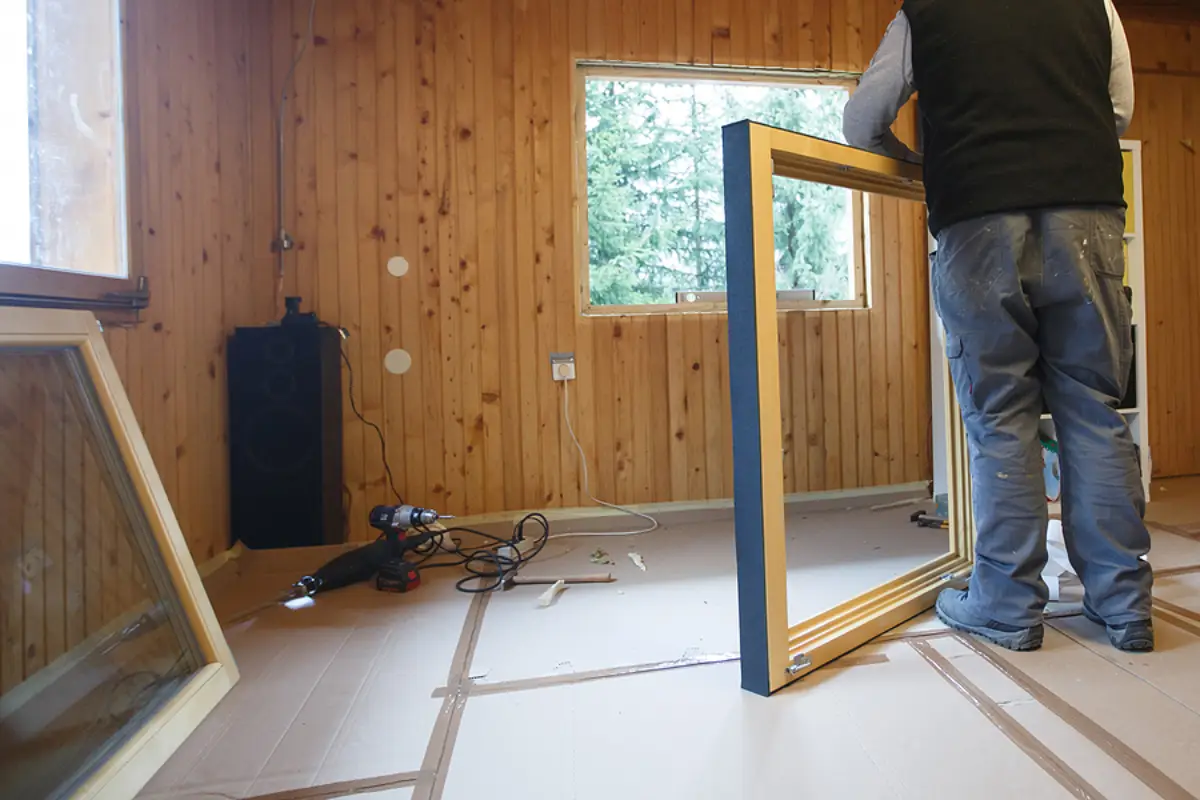
Some property upgrades look like smart investments on paper, but tell a different story after a few tenant turnovers. High-end materials, designer finishes, and custom features often come with maintenance demands that slowly chip away at their value. What begins as a premium improvement can eventually become a recurring expense.
As highlighted in our article on modern rental technology solutions, many of today's most effective property improvements focus on efficiency, durability, and long-term performance rather than appearance alone. For Irvine rental owners, understanding which renovations age poorly can help prevent unnecessary costs and support stronger returns over time.
Key Takeaways
- Expensive renovations do not always provide the best long-term value.
- Durable materials often outperform luxury finishes in rental properties.
- Trend-driven upgrades can become costly to maintain and replace.
- Flexible property features typically appeal to more renters.
- Strategic renovation planning can reduce future operating expenses.
Why Some Renovations Lose Value Faster Than Expected
The true cost of a renovation extends far beyond installation. Repairs, maintenance, replacement materials, and turnover preparation all contribute to the overall return on investment.
Rental properties experience repeated use from different residents over many years. Features that perform well in owner-occupied homes may struggle under rental conditions.
The rental market remains active, with vacancy rates reaching 7.1% in Q3 2025. In competitive markets such as Irvine, property owners benefit most from improvements that remain attractive and functional through multiple lease cycles.
Hardwood Flooring Can Become More Trouble Than Expected
Hardwood flooring remains a popular upgrade because it creates a polished appearance. However, repeated tenant occupancy often reveals its limitations.
Furniture movement, pet activity, moisture exposure, and daily foot traffic can gradually leave visible damage. Even small scratches become noticeable over time.
Ongoing Refinishing Costs Add Up
Refinishing hardwood floors between tenants can be expensive and time-consuming. Projects may delay occupancy while increasing turnover expenses.
Many investors evaluate flooring choices alongside broader rental design considerations because layout and material selections both influence long-term performance.
A More Practical Flooring Solution
Luxury vinyl plank frequently delivers stronger results because it offers:
- Better moisture resistance
- Improved scratch protection
- Easier cleaning between tenants
- Lower long-term replacement costs
For many rental properties, practicality wins over prestige.
Premium Carpet Often Faces an Uphill Battle
Carpet can create a comfortable atmosphere, but rental properties place heavy demands on soft flooring materials.
High-traffic areas tend to wear down quickly, while stains and odors can become difficult to remove completely.
Looking Beyond the Purchase Price
A carpet installation may appear affordable initially, but recurring cleaning and replacement costs often change the equation.
Many owners use a property income evaluation before making major renovation decisions. This helps identify whether an upgrade is likely to support long-term profitability.
Hard-surface flooring alternatives often remain attractive for longer periods while requiring less maintenance.
Custom Cabinet Finishes Can Become Maintenance Headaches
A custom kitchen can generate a strong visual appeal, but specialized cabinet finishes frequently become difficult to maintain after years of use.
Corners, handles, and cabinet doors experience constant contact, making them susceptible to fading, scratches, and chips.
Simplicity Often Delivers Better Results
Neutral cabinet styles generally age more gracefully than highly customized designs.
Property owners who focus on function frequently achieve stronger results than those who prioritize trends alone.
Advantages of simpler cabinetry include:
- Easier repairs
- Lower maintenance costs
- Greater design longevity
- Broader tenant appeal
These benefits become increasingly important as properties move through multiple lease cycles.
Designer Lighting Can Create Unnecessary Complications
Decorative fixtures may enhance a property's appearance during showings, but repairs often become more difficult when components are discontinued.
Matching finishes, bulbs, and replacement parts can require additional time and expense.
Frequent Use Accelerates Wear
Lighting systems are used every day. According to the U.S. Energy Information Administration, lighting accounts for approximately 3.4% of electricity use in residential properties.
Because these systems operate consistently, wear and tear accumulate over time.
Owners who incorporate capital improvement planning into their renovation strategy often favor standardized fixtures that simplify future maintenance.
Trend-Focused Kitchens Can Date a Property Quickly
Many kitchen renovations are heavily influenced by current design trends. While these upgrades may feel modern today, their appeal often fades faster than expected.
Bold cabinet colors, specialty backsplashes, and unique finishes can make future repairs more difficult.
Timeless Design Outlasts Trends
Properties generally benefit from choices that remain attractive regardless of changing styles.
Neutral color schemes, durable surfaces, and practical layouts tend to serve renters more effectively over the long term.
Successful investors often focus on longevity rather than chasing the latest design movement.
Built-In Features Can Limit Future Tenant Appeal
Built-in desks, custom shelving systems, and highly specific storage solutions may suit one resident perfectly but feel restrictive to another.
Rental properties perform best when they accommodate a wide variety of lifestyles.
Flexibility Supports Long-Term Success
Adaptable spaces give tenants greater freedom to personalize their living environment.
Some landlords even evaluate pet-friendly rental strategies when planning upgrades because flexible properties often appeal to broader tenant demographics.
Creating versatile living spaces can improve occupancy potential while reducing future renovation needs.
Luxury Bathrooms Can Create Recurring Expenses
Bathrooms experience constant use and moisture exposure. While luxury features may appear attractive, they often require additional upkeep compared to standard alternatives.
Specialty fixtures, custom glass installations, and designer surfaces can increase maintenance requirements.
Durable Materials Often Provide Better Value
Property owners frequently see stronger long-term performance when they choose materials designed for durability.
Common benefits include:
- Easier cleaning during turnovers
- Lower repair complexity
- More accessible replacement parts
- Better resistance to everyday wear
Many investors also utilize available owner support tools to guide renovation and maintenance decisions throughout the life of a property.
FAQs about Rental Renovations in Irvine, CA
How can landlords spot renovations that may become expensive to maintain later?
Projects involving specialty materials, custom finishes, or manufacturer-specific components often create higher long-term maintenance obligations. Evaluating future repair requirements before installation can help owners avoid unnecessary expenses.
Why do some upgrades perform differently in rental properties than in owner-occupied homes?
Rental properties typically experience more frequent turnover, heavier wear, and varied usage patterns. Materials that perform well in private residences may not withstand the same level of activity in rental environments.
Should renovation budgets prioritize durability over appearance?
Both factors matter, but durability often has a greater influence on long-term profitability. Attractive materials that require frequent maintenance can become more expensive than practical alternatives that maintain their appearance longer.
Can flexible property layouts improve rental performance?
Yes. Adaptable spaces accommodate a wider range of tenant needs and furniture arrangements. This flexibility can increase market appeal while reducing the likelihood of future layout-related renovation costs.
What role does maintenance planning play in renovation decisions?
Maintenance planning helps owners estimate future repair obligations and replacement costs. Renovations that simplify upkeep often support better financial performance throughout the property's lifecycle.
Choosing Upgrades That Continue Delivering Value
A renovation should continue working for your property long after installation is complete. Features that reduce maintenance demands, withstand everyday use, and remain attractive through multiple lease cycles often produce stronger returns than upgrades chosen solely for visual appeal.
PMI Orange County helps property owners make informed decisions that support long-term rental performance. Whether you're evaluating future improvements or looking to reduce maintenance-related costs, our team provides guidance designed to protect your investment. Advance your property's care plan with our maintenance services and keep your rental operating efficiently for years to come.